Back to Research
Virtual Power PlantHydrogen EnergyRisk ManagementElectricity MarketsOptimal Bidding
Risk-Aware Bidding for VPPs with Power-to-Hydrogen
10 MinAGM Center Research Team
How hydrogen storage helps virtual power plants bid more strategically and manage market risk under renewable uncertainty.
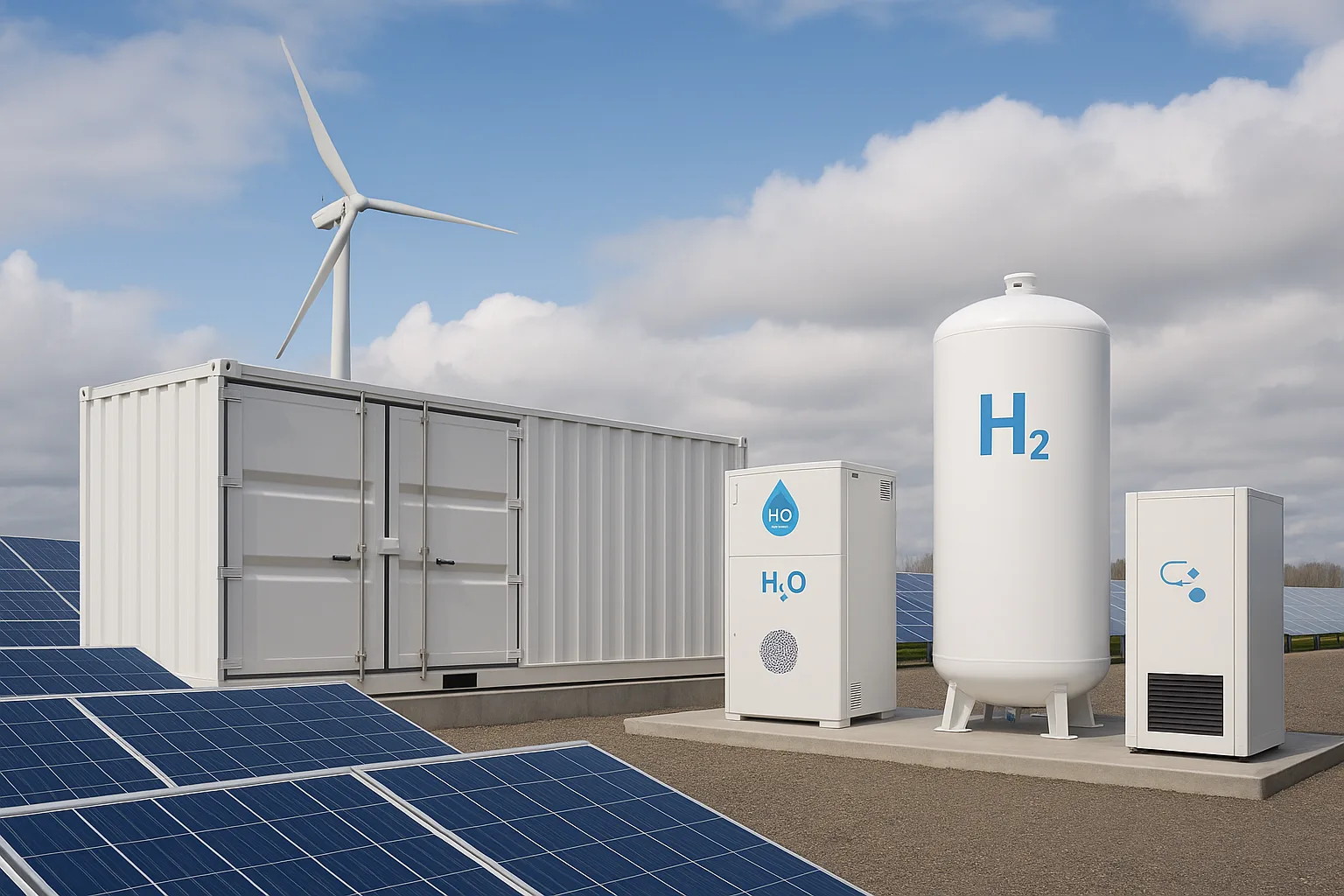
🔋 Risk-Aware Bidding for VPPs with Power-to-Hydrogen
A clear and intuitive explanation of how hydrogen improves VPP bidding.
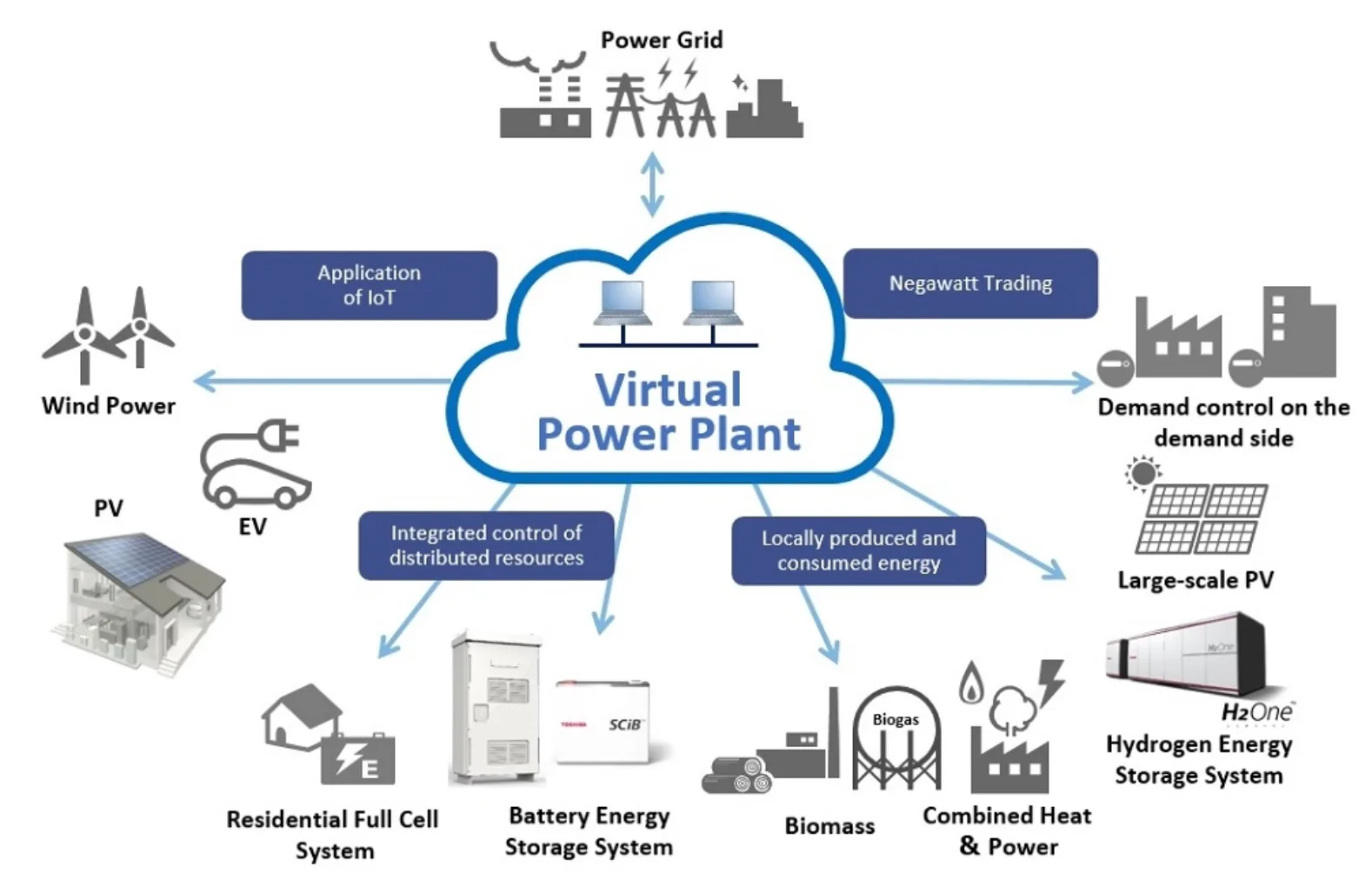
Figure 1. VPP can reduce congestion and redirect flows more efficiently.(Image source: Toshiba)
Virtual Power Plants (VPPs) bring together distributed resources—such as solar, wind, batteries, and now hydrogen systems—to operate like a flexible power plant in electricity markets.
But there’s a challenge:
Electricity markets are volatile, and renewable output is uncertain.
A poor bidding strategy can lead to major financial losses.
This post explains how Power-to-Hydrogen (P2H) and risk-aware optimization help VPPs make smarter bidding decisions.
⚡ Why Bidding Is Hard for VPPs
VPP operators must decide how much energy to bid into the market ahead of time.
However:
Solar and wind output fluctuate
Prices move unpredictably
Overbidding can cause penalties
Underbidding loses opportunities
Most VPPs rely on batteries (ESS) to buffer uncertainty, but batteries alone are often not enough.
This is where hydrogen enters the picture.
🔋 Why Hydrogen Helps VPPs
A Power-to-Hydrogen system includes:
Electrolyzer → converts electricity into hydrogen
Hydrogen tank → stores hydrogen for long periods
Fuel cell → converts hydrogen back to electricity
Compared to batteries, hydrogen offers:
Much larger storage capacity
Ability to charge and discharge simultaneously
Better economic potential as hydrogen prices drop
Flexibility for multi-energy markets (electricity + hydrogen)
Hydrogen essentially acts as a deep buffer that smooths uncertainty.
📉 The Risk Issue: Market Volatility
Even with hydrogen, the VPP faces financial risk:
Low renewable output → must buy expensive electricity
High renewable output → prices may drop unexpectedly
Extreme scenarios (tail events) → major losses
To protect against these risks, we use CVaR (Conditional Value-at-Risk) — a common tool in finance for controlling downside risk.
🧠 The Proposed Approach: A Risk-Aware Bi-Level Model
In this regard, we introduces a bi-level optimization structure:
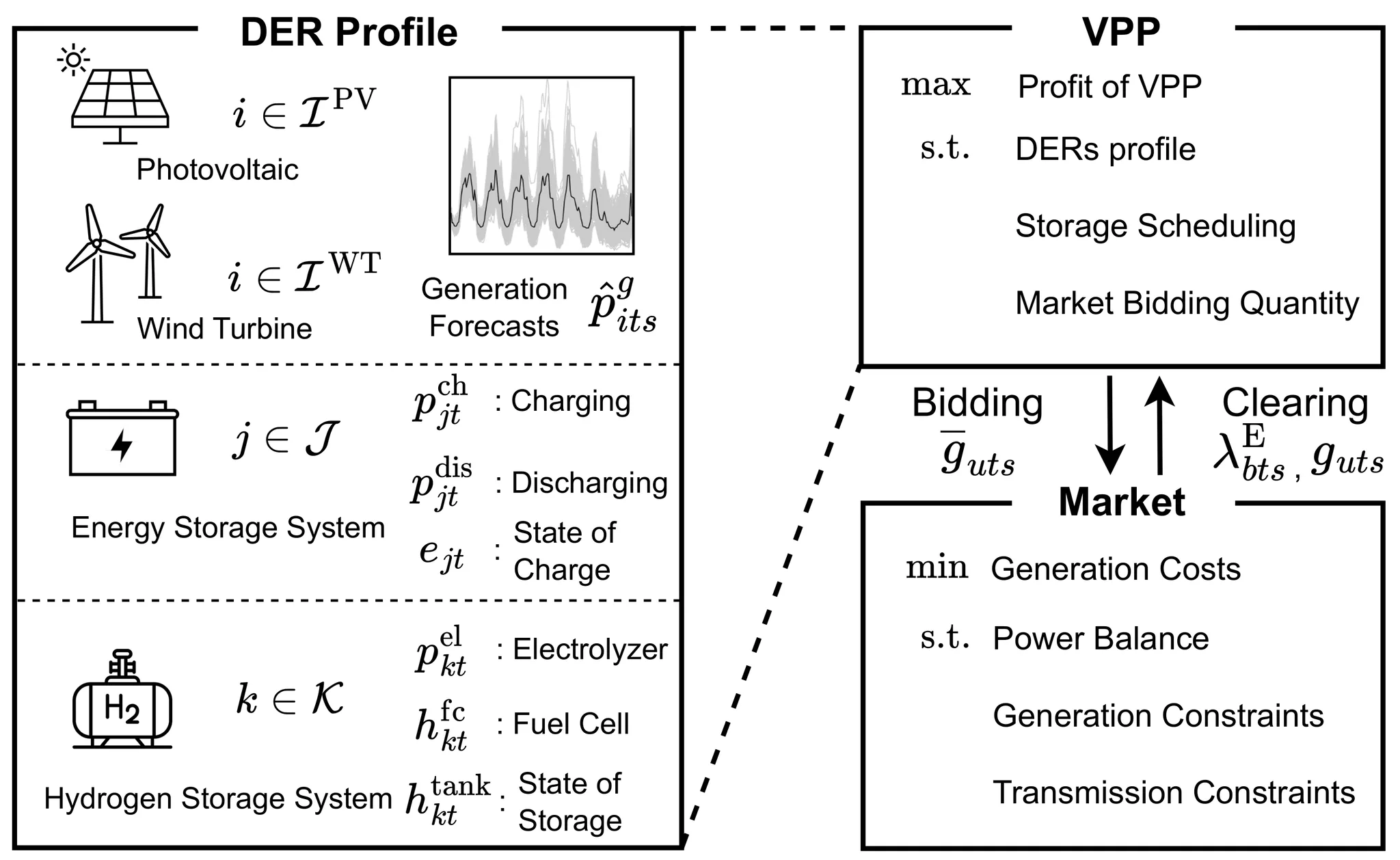
Figure 2. High-level representation of the bi-level bidding framework.
🔼 Upper Level — VPP’s Decision
The VPP chooses:
How much energy to bid
How to operate battery + hydrogen system
How risk-averse to be (via CVaR parameter)
Goal:
Maximize profit while limiting downside financial risk.
🔽 Lower Level — Market Clearing
The electricity market:
Clears demand and supply
Determines Locational Marginal Prices (LMPs)
Applies power flow and congestion constraints
This ensures the VPP’s bids are physically feasible.
The bi-level structure captures how market physics reacts to the VPP's decisions.
🧩 Key Insights from the Study
1️⃣ Hydrogen Increases Profitability
Portfolio | Revenue ($) |
|---|---|
Solar + Wind | 3,710 |
+ Battery | 4,405 |
+ Hydrogen | 4,607 |
Hydrogen-enabled VPPs outperform battery-only systems because:
They can shift energy across long time scales
They can exploit price volatility better
Fuel cells + electrolyzers provide unique flexibility
2️⃣ Bigger Hydrogen Tanks Reduce Risk
Tank Size | Revenue Impact |
|---|---|
0.5× | −5.6% |
1× | baseline |
2× | +4.9% |
Larger tanks help the VPP remain profitable even under uncertain renewables and prices.
3️⃣ CVaR Controls Financial Exposure
By adjusting a single risk-aversion parameter (β), the VPP can:
Reduce losses in bad scenarios
Stabilize revenue
Prevent aggressive bidding when renewable output is low
Higher β → more conservative bids → lower risk.
4️⃣ Hydrogen Performs Better Under Risk Than Batteries
Hydrogen-based VPPs are:
More resilient to low-renewable scenarios
Better at capturing high-price opportunities
Less sensitive to market volatility
This makes hydrogen a future-proof energy storage option.
📘 Why This Matters
Risk-aware bidding with hydrogen enables:
✔ Higher profits
✔ Lower exposure to extreme losses
✔ More stable VPP operation under uncertainty
✔ Better use of renewable energy
✔ A path toward multi-energy market participation
As hydrogen infrastructure grows, VPPs will play a crucial role in linking electricity, hydrogen, and storage markets.
🔭 Future Extensions
The research suggests several directions:
Real-time bidding
Joint electricity–hydrogen scheduling
Multi-day CVaR strategies
Interaction with congestion forecasting
Coordinated bidding among multiple VPPs
📘 Reference
Yoo, J., & Kim, J. “A Risk-aware Bi-level Bidding Strategy for Virtual Power Plant with Power-to-Hydrogen System.” 2025 IEEE PES General Meeting (PESGM). [link]