Back to Research
Dynamic Line RatingUnit CommitmentConductor HealthGrid ReliabilityPower System Optimization
Dynamic Line Rating — Part 2: Conductor Health-Aware Operation
10 MinAGM Center Research Team
How to use dynamic line ratings safely by accounting for conductor aging, forecast uncertainty, and operational risks.
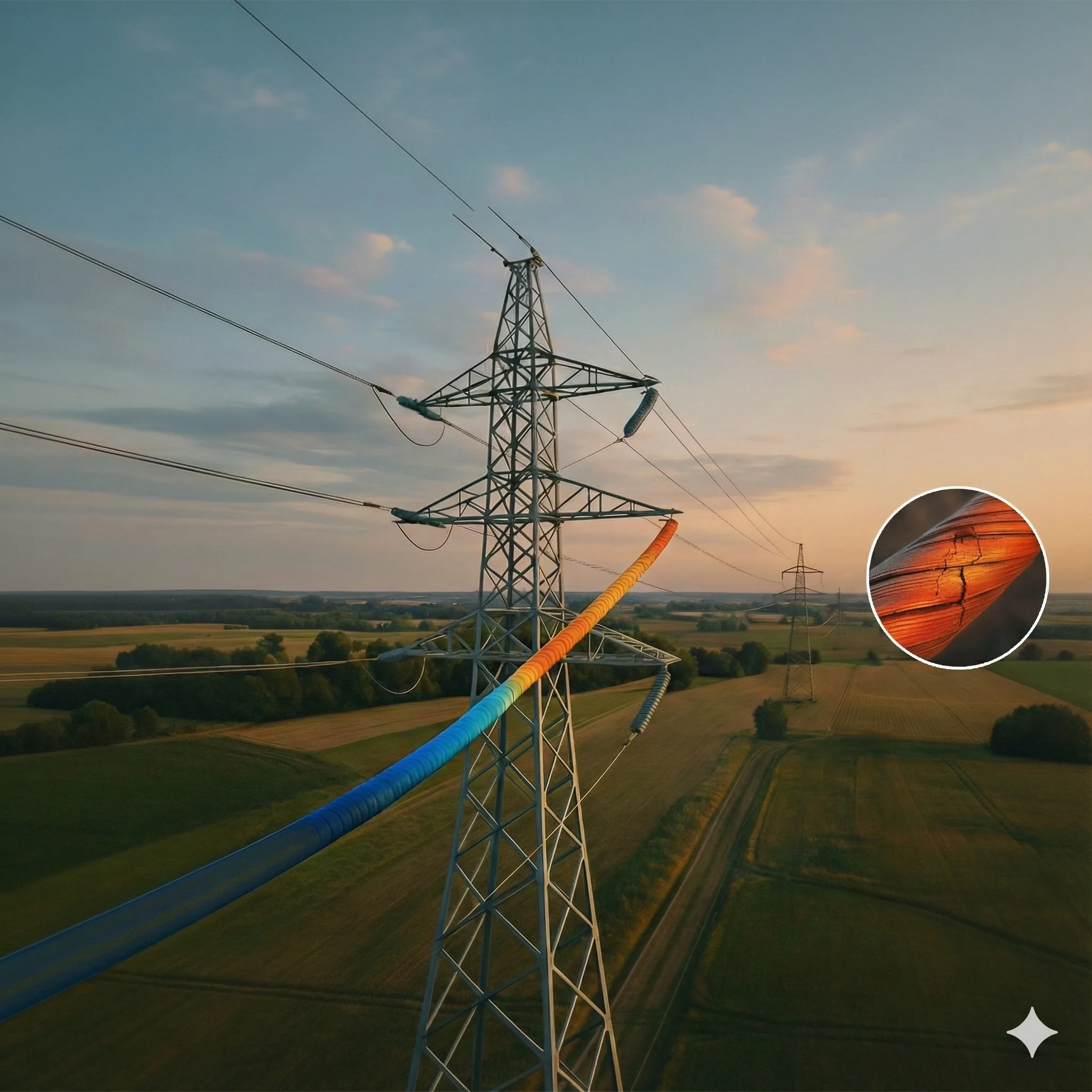
🔧 Dynamic Line Rating — Part 2: Conductor Health-Aware Operation
A practical guide to using DLR safely in real grid operations.
This is the second post in our two-part DLR series.
In Part 1, we showed how AI improves DLR forecasting using LGCLSTM.
In Part 2, we ask a different but equally important question:
Even if a line can carry more power today,
should we actually use that capacity?
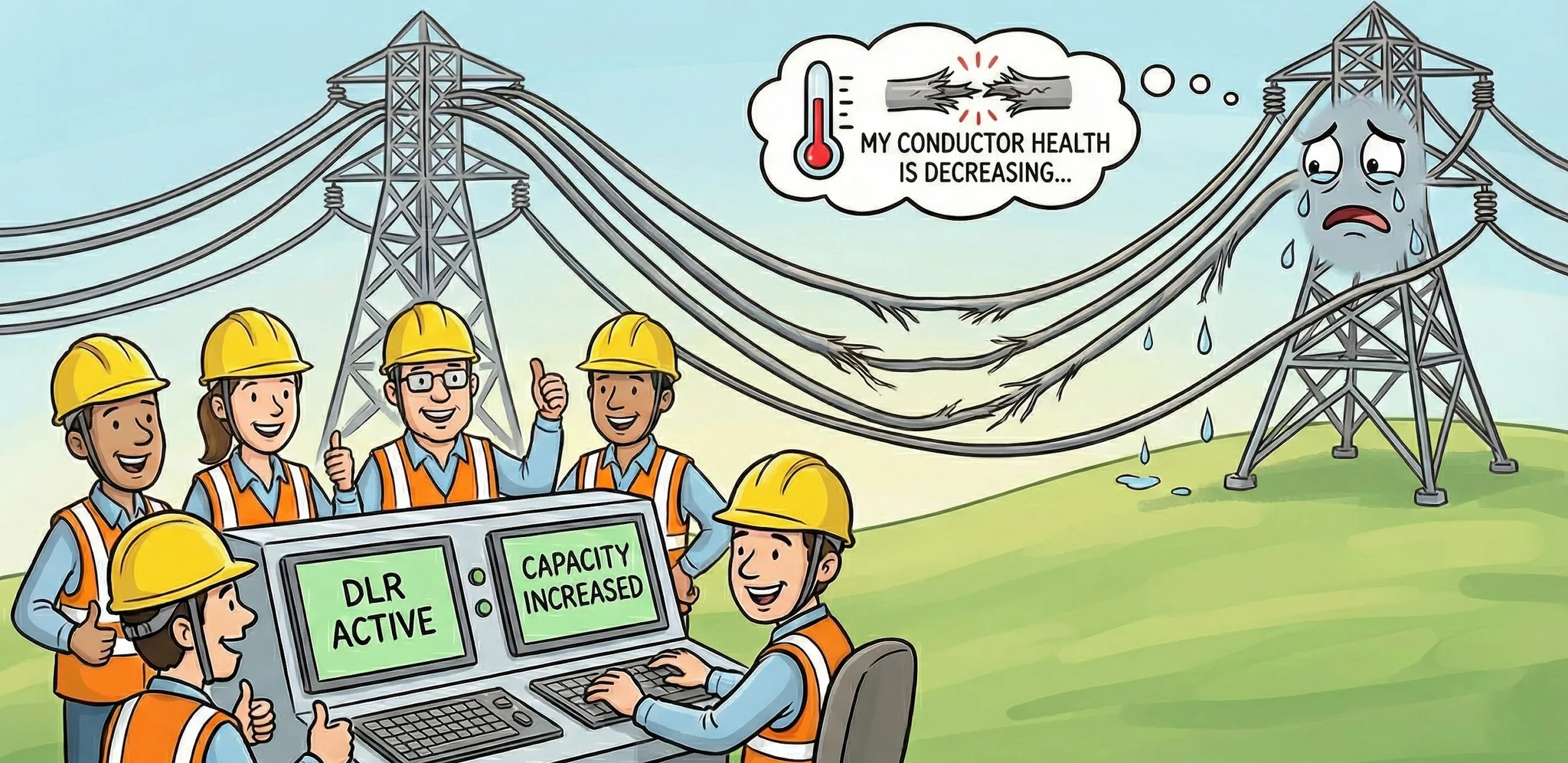
Figure 1. The DLR Trade-off: Increased Capacity vs. Conductor Health.
⚠️ The Hidden Risk of DLR: Elevated Temperature Operation (ETO)
DLR unlocks additional transmission capacity, but there is a downside:
When a line carries more current, it heats up.
When it heats up often enough or long enough, it ages faster.
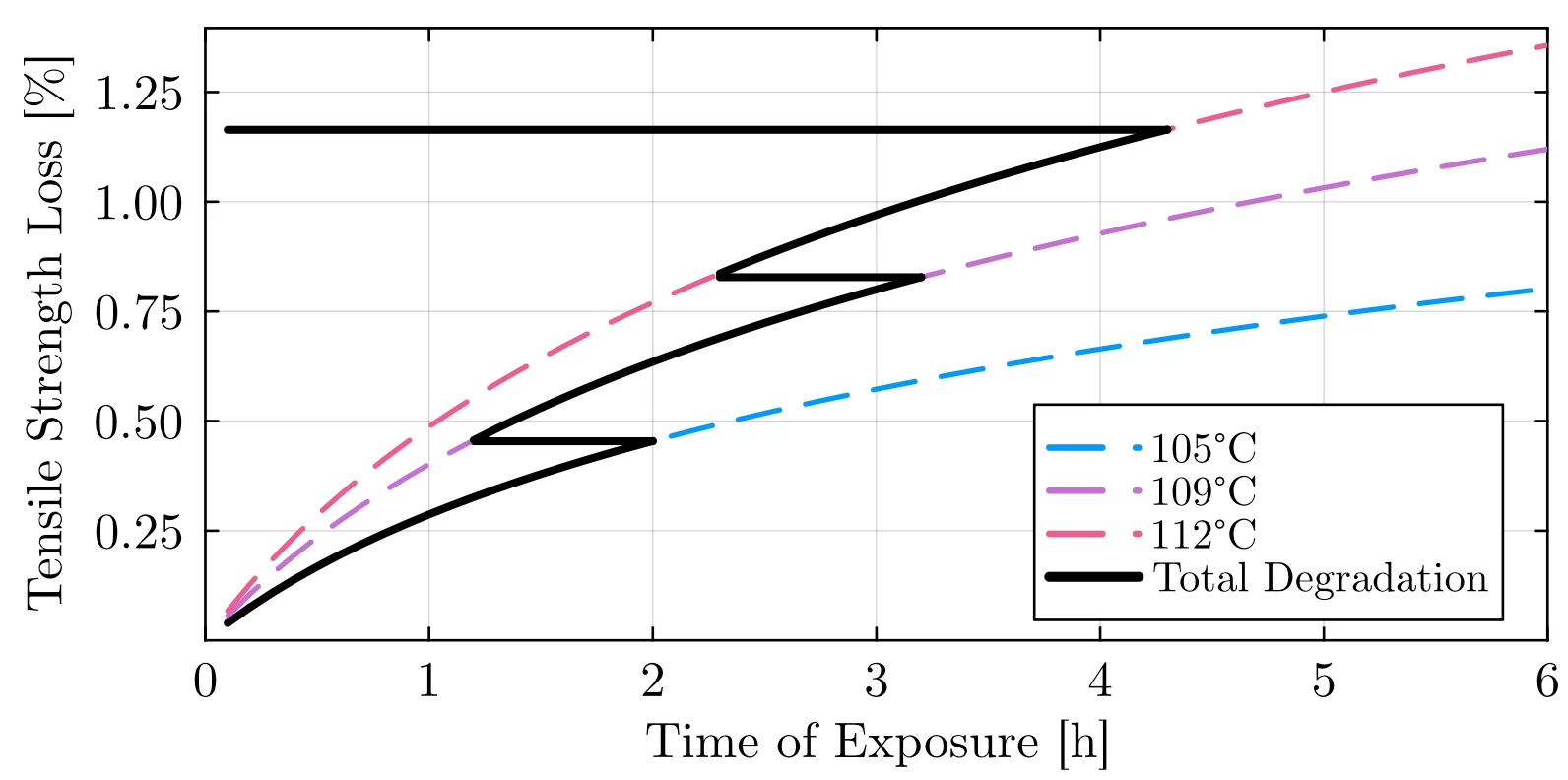
Figure 2. Elevated Temperature Operation (ETO) accelerates conductor aging.
This happens because aluminum strands inside aluminum conductor steel-reinforced (ACSR) conductors lose tensile strength over time at high temperatures — known as Loss of Tensile Strength (LoTS).
Repeated ETO → faster degradation
Faster degradation → shorter lifetime
Shorter lifetime → expensive replacement or maintenance
Yet, traditional DLR-based operations rarely consider this.
This motivates a new question:
How can we use the extra capacity from DLR without damaging the conductor?
🧠 Introducing CHA-UC
Conductor Health-Aware Unit Commitment
CHA-UC is a new operational framework that balances:
✔ More capacity from DLR
✔ Costs and risks from conductor aging
✔ Forecast uncertainty from wind and DLR
✔ Normal UC decisions (startup, fuel, reserves)
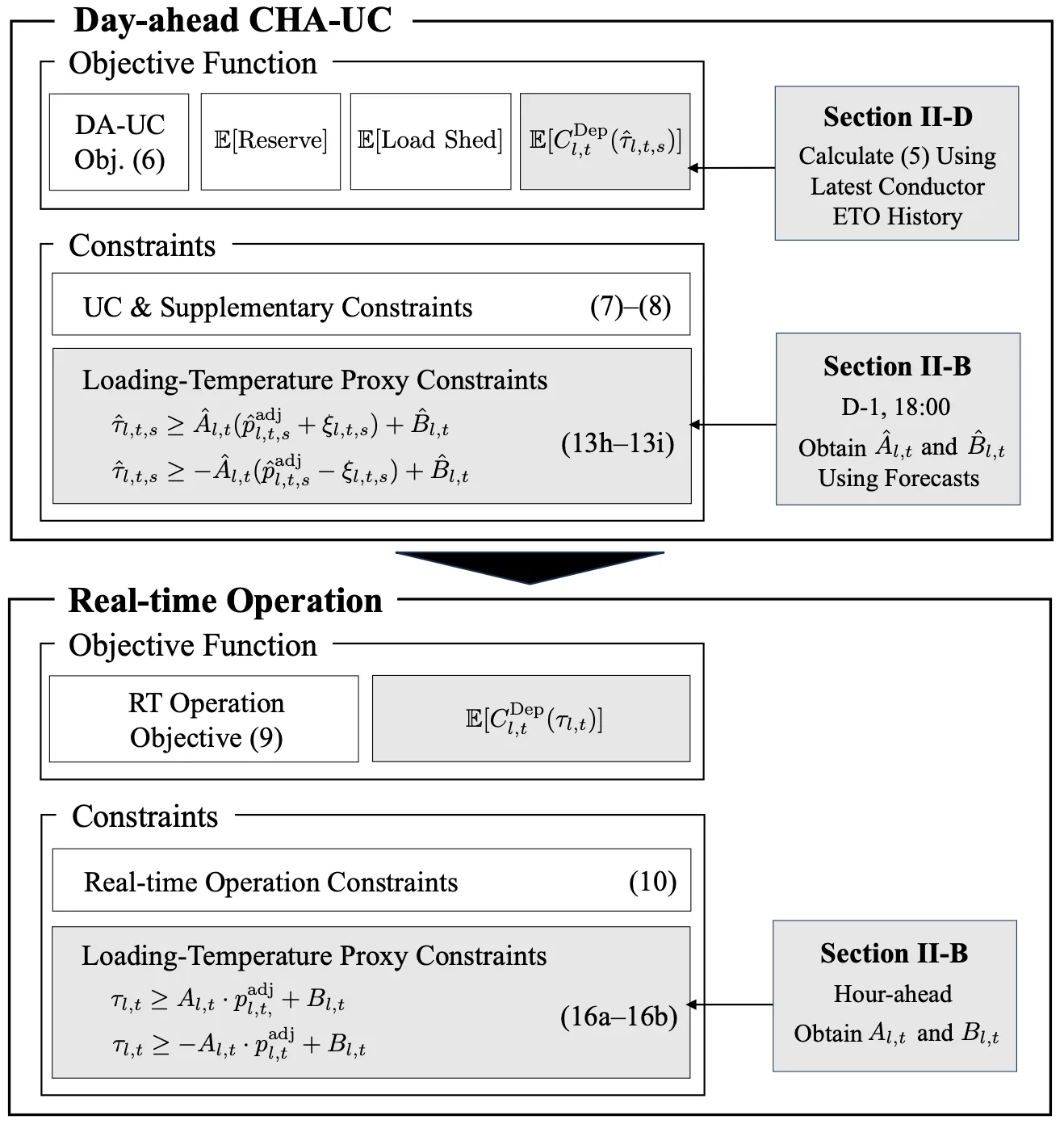
Figure 3. Overview of the Conductor Health-Aware Unit Commitment (CHA-UC) framework.
In simple terms, CHA-UC:
Uses DLR forecasts (possibly probabilistic from Part 1).
Estimates expected conductor temperatures under different line flows.
Converts temperature exposure into depreciation cost.
Decides generator commitments and flows that minimize:
Operating cost
Expected depreciation
Expected reserve usage under uncertainty
This makes CHA-UC both economical and safe.
📊 Case Study Results (Simple Summary)
The CHA-UC framework was tested on the TX-123BT system under different seasons and uncertainty scenarios.
✔ 1. Lower Total Cost
Across the full year:
CHA-UC had the lowest total cost
It balanced operational savings with long-term conductor health
Even though CHA-UC uses DLR conservatively at times, it avoids costly overheating events.
✔ 2. Less Renewable Curtailment
Compared to SLR:
CHA-UC cut wind curtailment by 83%
Compared to naive DLR:
Slightly higher curtailment, but dramatically lower conductor damage
Much safer long-term operation
✔ 3. Dramatically Reduced Conductor Depreciation
CHA-UC reduces annual depreciation costs by:
3.3× compared to SLR
4.8× compared to naive DLR
This directly translates to longer asset life and lower replacement cost.
✔ 4. Smarter Commitment Decisions
CHA-UC commits different sets of generators than naive DLR:
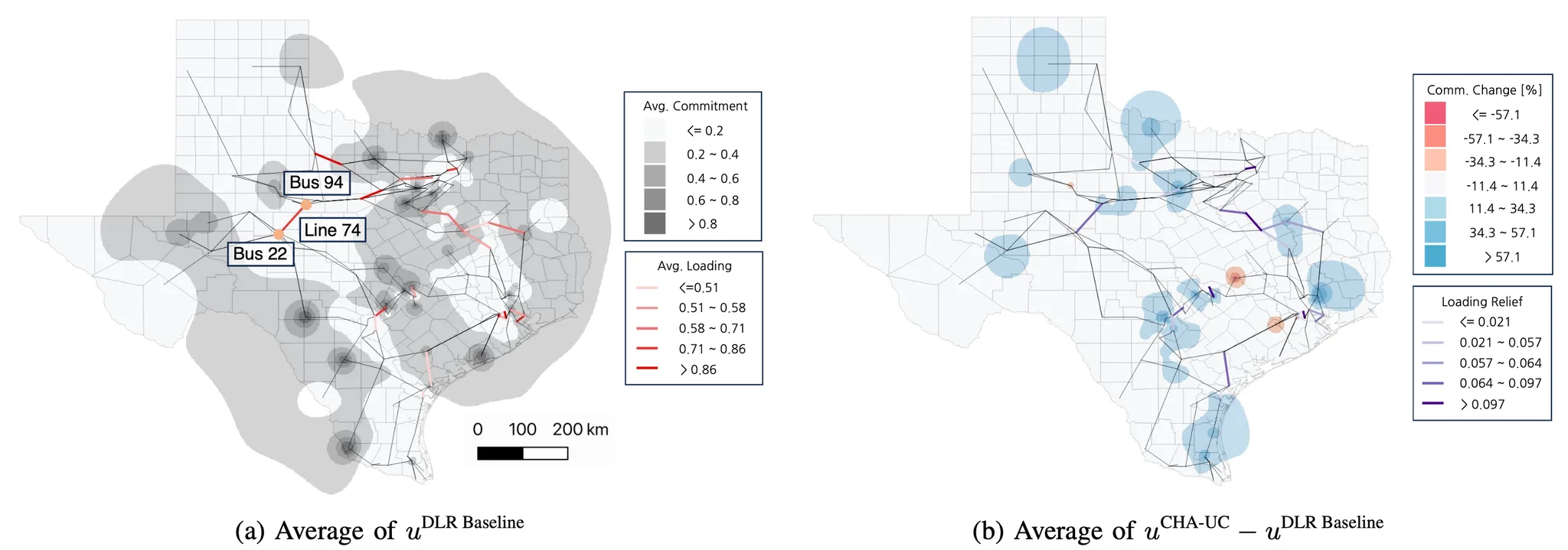
Figure 4. CHA-UC reduces loading on stressed corridors by changing generator commitments.
It intentionally lowers stress on vulnerable lines, even if that means running a few more expensive units.
This is intelligent risk-aware scheduling.
✔ 5. Handles Correlated Forecast Errors
Wind generation and DLR forecast errors are often correlated.
CHA-UC:
Becomes more conservative when errors amplify risk
Becomes less conservative when errors offset each other
This adaptive behavior removes the need for manual operator judgment.
🧩 Why This Matters for the Future Grid
DLR is a powerful tool, but it must be used safely.
CHA-UC shows how to:
✔ Maximize transmission capacity
✔ Protect conductor health
✔ Reduce renewable curtailment
✔ Operate reliably under uncertainty
✔ Provide long-term asset management insights
It is the natural next step after forecasting DLR (Part 1).
Together, the two parts form a complete DLR workflow:
Forecast → Optimize → Protect
🔭 What’s Next?
Future extensions include:
Multi-day conductor lifetime planning
Integration with maintenance scheduling
Inclusion of FACTS devices or topology switching
Combining probabilistic DLR forecasting (Part 1) with CHA-UC in real-time SCUC
📘 Reference
Roh, Geon, and Jip Kim. "Integrating Conductor Health into Dynamic Line Rating and Unit Commitment under Uncertainty." arXiv preprint arXiv:2510.15740 (2025). [link]